Bass Fishing Success in Alba TX - Lake Fork
Bass Fishing in Alba - Lake Fork Experience

Guided Trip by Captain Eddie Garrett in April
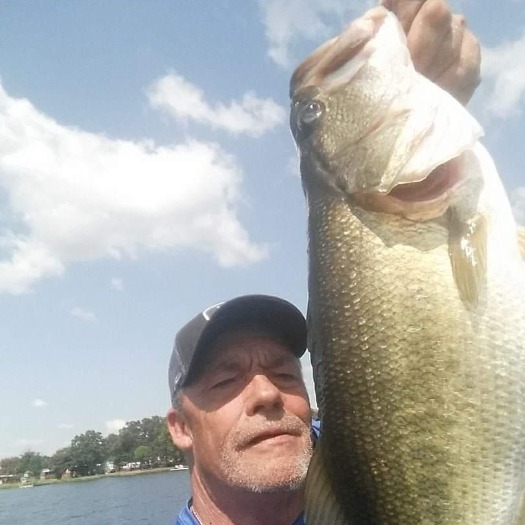
- Book With the Best Lake Fork Bass Fishing Guide!


Summary
Join a guided bass fishing trip on Lake Fork in Alba, TX this Friday in April. This fishing adventure showcases why Lake Fork remains a premier destination for anglers seeking consistent catches and authentic local expertise.
Guided Bass Fishing with Captain Eddie Garrett - Rates & Booking
Captain Eddie Garrett of Bass Fishing With Eddie offers guided bass fishing trips on Lake Fork near Alba, TX on Friday, April 3rd. This guided experience puts you on one of Texas's most productive freshwater fisheries with a captain who knows the lake intimately.
Lake Fork has earned its reputation as a premier bass destination, and booking a guided trip with an experienced captain significantly increases your chances of success. Guided trips typically include access to proven fishing grounds, real-time technique guidance, and the local knowledge that separates consistent catches from frustrating days on the water. To inquire about trip duration, group size, and available dates, contact Bass Fishing With Eddie to reserve your spot.
When planning your bass fishing adventure in Alba, consider booking with a local guide who understands seasonal patterns, current water conditions, and productive structure. This hands-on approach helps both beginners and experienced anglers maximize their time on Lake Fork.
Highlights of Lake Fork Bass Fishing
Lake Fork attracts anglers from across the region because of its healthy bass population and diverse fishing environment. The lake's expansive shoreline, numerous creek channels, and submerged timber create excellent habitat for largemouth bass of varying sizes. Whether you're targeting shallow cover early in the season or deeper structure as conditions change, Lake Fork offers opportunities throughout the year.
The experience of landing a quality bass delivers both the thrill of the fight and the satisfaction of successful technique application. Holding up your catch after a productive morning on the water represents the culmination of planning, skill execution, and sometimes a bit of luck.
Local Bass Fishery Insights
Lake Fork's reputation stems from consistent largemouth bass populations and the lake's unique characteristics. Understanding bass behavior helps explain why certain areas produce better results than others. Largemouth bass are ambush predators that position themselves near cover where they can intercept prey with minimal energy expenditure. This means fallen trees, dense vegetation, rock outcroppings, and depth transitions become prime fishing zones.
Seasonal patterns significantly influence bass location and activity levels. During spring months like April, warming water temperatures trigger increased feeding activity as bass prepare for spawning. This period often produces good bite windows, particularly around shallow cover and structure that provides easy access to deeper water. Bass transition between shallow spawning areas and deeper staging grounds, making creek channels and points excellent targets.
The water clarity of Lake Fork varies by location and season. Clearer sections require more subtle presentations and natural-looking lures, while stained water allows for brighter colors and more aggressive retrieves. Local guides understand these nuances and adjust techniques accordingly. Matching your lure selection, casting accuracy, and retrieval speed to current conditions demonstrates the skill that separates productive trips from less successful outings.
Wind, water temperature, barometric pressure, and light conditions all influence daily bass behavior. A guide who reads these factors can position you at the most productive locations during peak feeding windows. This knowledge accelerates the learning process for newer anglers and increases success rates for experienced fishermen.
The relationship between structure and bass habitat deserves specific attention. Bass use cover not just for hunting but for protection and thermal regulation. Understanding why fish relate to specific structures during different seasons helps you make better decisions about where to spend your time. Productive structure might include shallow bushes in spring, deeper vegetation in summer, or rocky points in fall.